
Supporting City Wildlife through Green Infrastructure

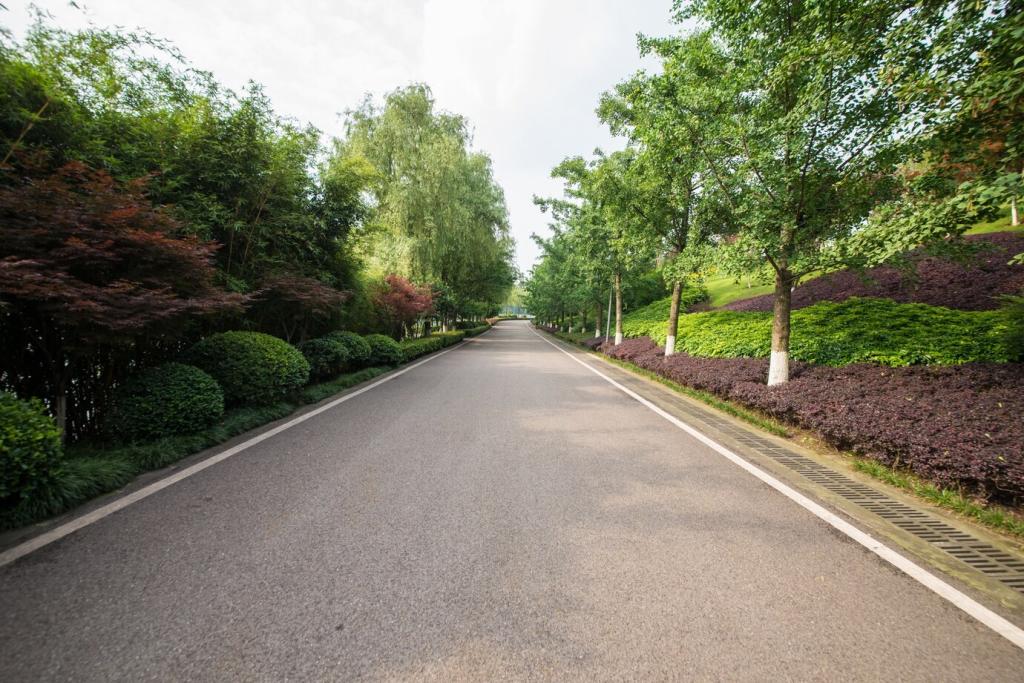
Chosen theme: Supporting City Wildlife through Green Infrastructure. Imagine sidewalks stitched with flowers, rooftops humming with bees, and rain slowed into gardens that sparkle after storms. Join us as we grow a city where every green feature doubles as habitat and hope.

Why Green Infrastructure Welcomes Urban Wildlife

Pocket parks, tree pits, and planted medians act like stepping-stones, guiding wildlife across the city’s concrete maze. Even a single native shrub can shelter caterpillars, while a continuous strip of plantings becomes a corridor for butterflies.

Why Green Infrastructure Welcomes Urban Wildlife

Shade from street trees and evapotranspiration from leaves cool overheated blocks, reducing stress on wildlife and people alike. Cooler, moister microclimates let insects forage longer, birds conserve energy, and soil life thrive beneath our feet.


Pollinator Corridors Along Everyday Streets

Select plants that feed adults and their young: milkweeds for monarch larvae, asters and goldenrods for autumn nectar, and herbs like thyme for bees. Native species support local insects that birds rely on for protein-rich meals.

Pollinator Corridors Along Everyday Streets

Plan a calendar of color from early spring to frost. Early blossoms wake hungry queens; midsummer flowers sustain growing colonies; late blooms fuel migrations. Share your favorite long-season plant pairings in the comments for neighbors to try.

Pollinator Corridors Along Everyday Streets

Invite residents to plant, water, and name plots on their block. Ownership keeps corridors thriving after the photo ops. A median we helped plant is now a buzzing landmark, tended by kids who count bees after school.

Green Roofs and Living Walls: Sky-High Sanctuaries

Vary substrate depth to support sedums, grasses, and small shrubs, creating layered habitat. Include logs or stones for shelter, and drought-tolerant natives for resilience. Maintenance access and safe edges keep both people and wildlife protected.

Rain Gardens, Bioswales, and Urban Water for Life

Build basins with amended soils and a gentle overflow path. Plant sedges, swamp milkweed, and blue flag iris to handle soggy cycles. Flowing water discourages mosquitoes while supporting dragonflies, which gladly patrol for pests around dusk.

Rain Gardens, Bioswales, and Urban Water for Life

Curb cuts let runoff enter planted swales, where roots and microbes trap pollutants. Along transit routes, these green trenches calm traffic edges and host birds. Add leaf litter for beetles, and measure how quickly puddles disappear after storms.

Rain Gardens, Bioswales, and Urban Water for Life

Uncovering buried trickles creates continuity for amphibians and insects. Where daylighting isn’t possible, tiny curbside wetlands still matter. Tell us which soggy corner floods on your block; we’ll crowdsource designs and recruit neighbors for planting days.

Night-Friendly Cities: Light, Glass, and Safe Passage

Lights Out During Migration

In spring and fall, switch off decorative lighting, dim interiors near windows, and use motion sensors. Fewer lit traps mean safer skies for songbirds navigating stars. Share your building’s pledge and invite nearby businesses to join.

Making Glass Visible to Birds

Use patterned films, fritted glass, or external screens to break up reflections. Even simple, closely spaced decals can dramatically cut collisions. We love seeing before-and-after results—post your solutions and any species you’ve noticed returning.

Gentle Light for Nocturnal Life

Choose shielded fixtures, lower brightness, and warm-spectrum bulbs. These settings attract fewer insects, easing stress on moths and aiding bats that hunt naturally. Try a pilot on your block and report night-sky changes and wildlife activity.

Community Stewardship and Measuring Impact

Organize watering calendars, mulch parties, and seasonal pruning. Clear roles turn goodwill into lasting care. Post volunteer calls in building lobbies and group chats, and celebrate milestones with sidewalk signs showing what species your plot supports.

Community Stewardship and Measuring Impact

Use simple protocols to track bees, butterflies, and birds. Apps like iNaturalist and eBird make data shareable and fun. Baseline a site before planting, then repeat counts monthly. Comment below if you want a starter survey kit.
Mayanroughcarpentry
Privacy Overview

This website uses cookies so that we can provide you with the best user experience possible. Cookie information is stored in your browser and performs functions such as recognising you when you return to our website and helping our team to understand which sections of the website you find most interesting and useful.